

| Term | Definition |
|---|---|
| Condominium |
A multi unit residential building where each person is able to hold personal freehold ownership of his or her apartment unit and joint ownership in common areas of the building. What defines a condominium, as opposed to general unlicensed multi unit apartment buildings (not licensed under condominium laws), is the form of ownership.
Synonyms:
อาคารชุดอาคารชุด (คอนโดมิเนียม) คืออาคารที่พักอาศัยหลายห้องชุดที่ผู้ถือสิทธิสามารถถือ กรรมสิทธิ์ห้องชุดแบบฟรีโฮลด์ ได้เป็นรายห้อง และมี กรรมสิทธิ์ร่วมในพื้นที่ส่วนกลาง ของอาคาร โดยความแตกต่างจากอพาร์ตเมนต์หลายยูนิตทั่วไปที่ไม่ได้จดทะเบียนตามกฎหมายอาคารชุด คือ รูปแบบกรรมสิทธิ์ (ไม่สามารถโอนกรรมสิทธิ์เป็นรายห้องได้) Thailand condominium law (practical)
Thai & International Legal Support for Practical Use in Thailand
ทีมกฎหมายไทยและต่างชาติ เพื่อเอกสารที่ใช้งานได้จริงในประเทศไทย
คอนโดมิเนียมในประเทศไทยกฎหมายคอนโดมิเนียมและการถือครองของชาวต่างชาติกฎหมายไทยโดยทั่วไปไม่อนุญาตให้ชาวต่างชาติถือกรรมสิทธิ์ในที่ดิน แต่ พระราชบัญญัติอาคารชุด (Condominium Act) อนุญาตให้ชาวต่างชาติสามารถถือกรรมสิทธิ์ห้องชุด (คอนโด) ในประเทศไทยได้ตามเงื่อนไขของกฎหมาย การเป็นเจ้าของห้องชุดในอาคารชุดไม่ได้หมายถึงเฉพาะตัวห้องเท่านั้น แต่ยังรวมถึง กรรมสิทธิ์ร่วมในทรัพย์ส่วนกลาง เช่น ที่ดินของโครงการ ภายนอกอาคาร โถงทางเดินและบันได หลังคา รวมถึงสิ่งอำนวยความสะดวก เช่น สระว่ายน้ำ ด้านล่างนี้คือคำถามที่พบบ่อยเกี่ยวกับคอนโดมิเนียมในประเทศไทยและการถือครองของชาวต่างชาติ Condominium in ThailandCondominium laws and foreign ownershipThai land laws generally prohibit foreigners from owning land. However, the Condominium Act allows foreigners to legally own a condo unit in Thailand, subject to statutory conditions. Condo ownership is not limited to the unit itself. It also includes co-ownership of common areas such as the project land, the building exterior, hallways and staircases, the roof, and facilities like swimming pools. Below are some frequently asked questions about condominiums in Thailand and foreign ownership. Are all apartment buildings regulated by the Condominium Act?อาคารอพาร์ตเมนต์ทุกแห่งอยู่ภายใต้กฎหมายคอนโดมิเนียมหรือไม่?ในประเทศไทย อาคารที่พักอาศัยแบ่งออกเป็น 2 ประเภทหลัก ได้แก่ อาคารที่จดทะเบียนเป็น คอนโดมิเนียม กับกรมที่ดิน และอาคารอพาร์ตเมนต์ที่ไม่ได้จดทะเบียนเป็นคอนโดมิเนียม ซึ่งมักพบได้ในแหล่งท่องเที่ยวบางแห่ง อาคารที่ไม่ได้รับใบอนุญาตคอนโดมิเนียมยังคงต้องปฏิบัติตามกฎหมายควบคุมอาคาร แต่ ไม่อยู่ภายใต้พระราชบัญญัติอาคารชุด ความแตกต่างทางกฎหมายที่สำคัญคือ รูปแบบการถือครอง เฉพาะคอนโดมิเนียมที่ได้รับอนุญาตเท่านั้นที่สามารถมีกรรมสิทธิ์แยกเป็นรายห้อง พร้อมกรรมสิทธิ์ร่วมในทรัพย์ส่วนกลางได้ สำหรับอาคารที่ไม่ได้จดทะเบียนเป็นคอนโดมิเนียม ผู้ซื้อไม่สามารถถือกรรมสิทธิ์ห้องชุดได้ สิทธิในการอยู่อาศัยจะเกิดขึ้นจากสัญญา เช่น สัญญาเช่าระหว่างเจ้าของโครงการกับผู้ใช้ห้อง เฉพาะคอนโดมิเนียมที่จดทะเบียนตามกฎหมายเท่านั้น ที่กรมที่ดินออกโฉนดห้องชุดรายห้อง และบันทึกกรรมสิทธิ์อย่างเป็นทางการ Thailand has two types of apartment buildings: those officially registered with the Land Department as condominiums, and those that are not. Unlicensed apartment buildings are commonly found in some tourist areas. While unlicensed apartment buildings must comply with general building regulations, hey are not governed by the Thailand Condominium Act. The key legal difference lies in the form of ownership. Only licensed condominiums allow individual unit ownership together with joint ownership of common areas. In unlicensed apartment buildings, ownership of individual units is not possible. Occupation rights must be structured contractually—typically through lease agreements— giving buyers usage rights rather than ownership. Only a true condominium, licensed under the Condominium Act, has individual unit title deeds issued and registered by the Land Department. How are condominiums regulated?คอนโดมิเนียมถูกกำกับดูแลอย่างไร?คอนโดมิเนียมในประเทศไทยถูกกำกับดูแลใน 2 ระดับหลัก ได้แก่ กฎภายในของอาคาร และ พระราชบัญญัติอาคารชุด พระราชบัญญัติอาคารชุดกำหนดกรอบกฎหมายภายนอก เช่น ขั้นตอนและเงื่อนไขในการจดทะเบียนอาคารเป็นคอนโดมิเนียม กฎระเบียบภายในหรือข้อบังคับนิติบุคคลอาคารชุด ควบคุมการใช้งานและการบริหารจัดการอาคาร เช่น การห้ามใช้ห้องเป็นสำนักงานบริษัท หรือข้อกำหนดเกี่ยวกับการเลี้ยงสัตว์ กฎเหล่านี้กำหนดและแก้ไข โดยการลงมติของเจ้าของร่วม ในที่ประชุมใหญ่นิติบุคคลอาคารชุด How are condominiums regulated?Condominiums in Thailand are regulated on two levels: internal rules and the Thailand Condominium Act. The Condominium Act sets the external legal framework, including the procedure and requirements to register a building as a condominium. Internal regulations (bylaws) govern daily use and management, such as restrictions on business use, company registration, and rules concerning pets. These rules are adopted and amended through voting by unit owners at condominium general meetings. How are condominiums managed?คอนโดมิเนียมบริหารจัดการอย่างไร?คอนโดมิเนียมจะบริหารจัดการตาม กฎหมายอาคารชุด และ ข้อบังคับ/กฎระเบียบภายใน โดยอาศัย มติของเจ้าของร่วม ในที่ประชุม ซึ่งสามารถเข้าร่วมได้ด้วยตนเอง หรือมอบฉันทะ (แบบฟอร์มมอบฉันทะ) How are condominiums managed?A condominium is managed under the Condominium Act and the building’s internal rules, based on owner votes at general meetings—either in person or by proxy. What are the size and unit requirements for a condominium?คอนโดมิเนียมต้องมีขนาดหรือจำนวนห้องขั้นต่ำหรือไม่?โดยทั่วไป กฎหมายอาคารชุดไม่ได้กำหนด ความสูง พื้นที่ หรือ จำนวนยูนิตขั้นต่ำ ไว้อย่างชัดเจน ประเด็นสำคัญคืออาคารต้องสามารถ แยกกรรมสิทธิ์เป็นรายห้อง ได้ โดยแต่ละห้องมี กรรมสิทธิ์เฉพาะส่วน และมี กรรมสิทธิ์ร่วมในทรัพย์ส่วนกลาง ในทางเทคนิค “คอนโดมิเนียม” อาจเป็นได้ทั้งอาคารเดี่ยว หรือ กลุ่มอาคารเตี้ยที่เชื่อมต่อกัน (low-rise) ก็ได้ What are the size and unit requirements for a condominium?The Condominium Act does not set specific requirements for height, floor area, or a minimum number of units. The key requirement is that ownership can be separated by unit: each unit has private ownership, together with joint ownership of common property. Technically, a condominium may be a single building or a group of attached low-rise buildings. Can a condominium building in Thailand be 100% foreign owned?คอนโดมิเนียมในประเทศไทยสามารถเป็นของชาวต่างชาติ 100% ได้หรือไม่?ตาม พระราชบัญญัติอาคารชุด ชาวต่างชาติสามารถถือกรรมสิทธิ์ห้องชุดได้ แต่ต้องอยู่ภายใต้ โควตาการถือครองของชาวต่างชาติ โดยรวมแล้ว ชาวต่างชาติสามารถถือครองได้ไม่เกิน 49% ของพื้นที่ใช้สอยรวม ของห้องชุดทั้งหมดในคอนโดมิเนียมหนึ่งโครงการ ระหว่างปี พ.ศ. 2542–2547 (1999–2004) เคยมีมาตรการชั่วคราวที่อนุญาตให้ชาวต่างชาติ ถือครองได้สูงสุด 100% ในบางพื้นที่และภายใต้เงื่อนไขเฉพาะ มาตรการดังกล่าวสิ้นสุดลงแล้ว และปัจจุบันกฎหมายกลับมาใช้เกณฑ์ 49% เช่นเดิม Can a condominium building in Thailand be 100% foreign owned?The Condominium Act allows foreign ownership, but only within the foreign ownership quota. Foreigners may own up to 49% of the total combined floor area of all units in a condominium building. Between April 1999 and April 2004, a temporary measure allowed up to 100% foreign ownership in certain areas and under specific conditions. This exception has expired, and the current legal limit has reverted to 49% foreign ownership. Can all foreign nationals own a condo unit in Thailand?ชาวต่างชาติทุกสัญชาติสามารถถือกรรมสิทธิ์คอนโดในประเทศไทยได้หรือไม่?โดยทั่วไป ไม่มีข้อจำกัดเรื่องสัญชาติ ชาวต่างชาติทุกคนที่สามารถเดินทางเข้าประเทศไทยได้อย่างถูกกฎหมาย มีสิทธิถือกรรมสิทธิ์ห้องชุดได้ อย่างไรก็ตาม ผู้ซื้อจะต้อง มีคุณสมบัติตามมาตรา 19 ของพระราชบัญญัติอาคารชุดเป็นรายบุคคล โดยหลักแล้ว หมายความว่า เงินค่าซื้อคอนโด ต้องถูกโอนเข้าประเทศไทยเป็น เงินตราต่างประเทศ และแลกเป็นเงินบาท ผ่านสถาบันการเงินที่ได้รับอนุญาตในประเทศไทย Can all foreign nationals own a condo unit in Thailand?There are no nationality restrictions. Any foreigner who can legally enter Thailand may own a condominium unit. However, each buyer must personally qualify under Section 19 of the Condominium Act. In practice, this generally means that the purchase price must be remitted into Thailand in foreign currency and converted into Thai baht by a licensed financial institution in Thailand. Can a Thai company own a condo unit on my behalf?บริษัทไทยสามารถถือคอนโดแทนชาวต่างชาติได้หรือไม่?โดยทั่วไป การตั้งบริษัทไทยเพื่อให้ชาวต่างชาติ “ถือครองแทน” (nominee structure) เพื่อหลีกเลี่ยงโควตาการถือครองของชาวต่างชาติถือว่าไม่ชอบด้วยกฎหมายไทย หลังปี 2549 (2006) กรมที่ดินและกระทรวงมหาดไทยได้ออกแนวทาง/ระเบียบเพื่อป้องกันการใช้ผู้ถือหุ้นไทยแบบนอมินี ทำให้โครงสร้างลักษณะนี้พบได้น้อยลง แม้ยังมีบางโครงการ—โดยเฉพาะคอนโดราคาแพงในพื้นที่ท่องเที่ยว—พยายามเสนอรูปแบบนี้เพื่อขายยูนิตฝั่งโควตา “คนไทย” ให้ชาวต่างชาติ แต่ความเสี่ยงทางกฎหมายยังคงสูงและวัตถุประสงค์ถือว่าไม่ถูกต้องตามกฎหมาย Can a Thai company own a condo unit on my behalf?Generally, setting up a Thai company to hold a condo “on behalf of” a foreigner (a nominee structure) to bypass foreign ownership limits is not permitted under Thai law. After 2006, the Land Department and Ministry of Interior issued regulations and guidance to prevent the misuse of Thai nominee shareholders, making this practice less common. Even so, it is still sometimes promoted—especially in high-end resort areas—to sell remaining units under the “Thai quota”, but the legal risk remains significant. Can a foreign company own a condo?บริษัทต่างชาติสามารถถือกรรมสิทธิ์คอนโดได้หรือไม่?นิติบุคคลต่างชาติ (เช่น บริษัทที่จดทะเบียนใน BVI) สามารถจดทะเบียนถือกรรมสิทธิ์ห้องชุดได้ ภายใต้โควตาชาวต่างชาติ 49% เช่นเดียวกับบุคคลธรรมดาต่างชาติ โดยปกติจะต้องมีมติ/รายงานการประชุมอนุมัติการซื้อ และจัดเตรียมเอกสารนิติบุคคล (หนังสือรับรอง/เอกสารจดทะเบียน) ให้ครบถ้วน ซึ่งมักต้อง รับรองเอกสาร (notarized) แปลเป็นภาษาไทย และยื่นต่อสำนักงานที่ดิน (รายการเอกสารอาจแตกต่างกันไปตามสำนักงานที่ดินแต่ละแห่ง) พร้อมเอกสารการนำเงินเข้าประเทศ เช่น แบบฟอร์มธุรกรรมเงินตราต่างประเทศ (FET) เช่นเดียวกับกรณีผู้ซื้อต่างชาติรายบุคคล Can a foreign company own a condo?A foreign juristic entity (for example, a BVI company) can register condominium ownership within the 49% foreign quota, just like a foreign individual. Typically, a board/shareholder resolution (minutes) approving the purchase is required, and the company’s incorporation documents must be prepared—often notarized, translated into Thai, and submitted to the Land Office (exact requirements can vary by office), together with supporting documents such as a Foreign Exchange Transaction (FET) form, similar to the process for a foreign individual buyer. What is a FET form?แบบฟอร์ม FET คืออะไร?FET ย่อมาจาก Foreign Exchange Transaction เดิมเรียกว่า ธ.ต.3 (Thor Tor 3) ธนาคารหรือสถาบันการเงินที่ได้รับอนุญาตในประเทศไทย ซึ่งดำเนินการแลกเปลี่ยนเงินตราต่างประเทศ ที่มีมูลค่าเกิน 50,000 ดอลลาร์สหรัฐ (หรือเทียบเท่าในสกุลเงินอื่น) จะต้องจัดทำแบบฟอร์ม FET และรายงานธุรกรรมดังกล่าวต่อธนาคารแห่งประเทศไทย สำหรับชาวต่างชาติที่ซื้อคอนโดมิเนียม ต้นฉบับแบบฟอร์ม FET เป็นเอกสารสำคัญที่ต้องใช้ในการจดทะเบียนกรรมสิทธิ์ ณ สำนักงานที่ดิน เพื่อเป็นหลักฐานว่าเป็นไปตาม มาตรา 19 แห่งพระราชบัญญัติอาคารชุด What is a FET form?A FET form (Foreign Exchange Transaction), previously known as Thor Tor 3, is prepared by an authorized financial institution in Thailand when foreign currency in excess of USD 50,000 (or its equivalent) is exchanged. The transaction must be reported to the Bank of Thailand. For foreigners purchasing a condominium, an original FET form is required for ownership registration at the Land Department, serving as proof of compliance with Section 19 of the Condominium Act. I do not have a FET form?ไม่มีแบบฟอร์ม FET ทำอย่างไร?หากมีการโอนและแลกเปลี่ยนเงินตราต่างประเทศ ในจำนวน ต่ำกว่า 50,000 ดอลลาร์สหรัฐ ธนาคารไม่จำเป็นต้องจัดทำแบบฟอร์ม FET และจึงจะไม่มีการออกสำเนา FET ในกรณีนี้ ชาวต่างชาติสามารถขอ หนังสือรับรองจากธนาคาร เกี่ยวกับการโอนเงินตราต่างประเทศและการแลกเป็นเงินบาท ซึ่งเอกสารดังกล่าวจะระบุข้อมูลเดียวกับแบบฟอร์ม FET เช่น จำนวนเงินที่โอน (สกุลเงินต่างประเทศ) จำนวนเงินที่แลกเป็นเงินบาท ชื่อผู้โอน ชื่อผู้รับ และวัตถุประสงค์ของการโอนเงิน หนังสือรับรองนี้สามารถใช้เป็นหลักฐาน แสดงการปฏิบัติตาม มาตรา 19 แห่งพระราชบัญญัติอาคารชุด และต้องยื่นต่อสำนักงานที่ดิน ในขั้นตอนการจดทะเบียนกรรมสิทธิ์ของชาวต่างชาติ I do not have a FET form?When foreign currency is exchanged in an amount of less than USD 50,000, the bank is not required to prepare a FET form and therefore will not issue one. In this situation, a foreign buyer can request a bank confirmation letter for the inward remittance and conversion into Thai baht. This letter contains the same key information as a FET form, such as the foreign currency amount, the Thai baht amount, the sender and recipient names, and the purpose of the transfer. The confirmation letter can be used as proof of compliance with Section 19 of the Condominium Act and must be submitted to the Land Department when registering foreign ownership. Can I rent out my condo unit?ฉันสามารถปล่อยเช่าคอนโดได้หรือไม่?โดยทั่วไปคุณสามารถปล่อยเช่าห้องชุดได้ หาก ข้อบังคับ/กฎระเบียบของคอนโด ไม่ได้ห้ามไว้ แต่หากมีการปล่อยเช่าในลักษณะ “ทำเป็นธุรกิจ” อาจเกี่ยวข้องกับ กฎหมายธุรกิจของคนต่างด้าว และข้อกำหนดด้านการทำงาน/การประกอบกิจการ นอกจากนี้ รายได้ค่าเช่าโดยทั่วไปต้องเสีย ภาษีเงินได้ ในประเทศไทย และทรัพย์สินที่นำไปให้เช่าหรือใช้เชิงพาณิชย์อาจเข้าข่ายภาษีทรัพย์สินตาม กฎหมายภาษีที่ดินและสิ่งปลูกสร้าง สำหรับผู้เช่าที่เป็นชาวต่างชาติ ผู้ให้เช่า/เจ้าบ้านมักมีหน้าที่แจ้งที่พักอาศัยผ่านระบบ/แบบฟอร์ม TM30 ตามกฎหมายตรวจคนเข้าเมือง Can I rent out my condo unit?In general, you may rent out your unit unless the condominium’s bylaws restrict it. If the activity is treated as operating a rental business, additional restrictions may apply (for example under foreign business/employment rules). Rental income is generally subject to Thai personal income tax, and property used for letting or commercial purposes may fall under the Land and Building Tax regime. Where the tenant is a foreigner, the owner/landlord (house master) is typically required to report the foreigner’s stay via TM30 under immigration rules. When I sell my condo, do I have to pay taxes?ขายคอนโดแล้วต้องเสียภาษีหรือไม่?โดยทั่วไป เมื่อคุณขายคอนโด ภาษีและค่าธรรมเนียมที่เกี่ยวข้องจะถูกคำนวณและชำระที่ สำนักงานที่ดิน ในวันโอนกรรมสิทธิ์ ซึ่งมักรวมถึง ภาษีหัก ณ ที่จ่าย (ภาษีเงินได้) ด้วย หลังการชำระ จะได้รับ ใบเสร็จ/หลักฐานจากสำนักงานที่ดิน หากมีใบเสร็จ หลักฐานการขาย และเอกสารยืนยันว่าเคยนำเงินตราต่างประเทศเข้าประเทศไทยเพื่อซื้อคอนโด (เช่น FET/หนังสือรับรองธนาคาร) ธนาคารโดยทั่วไปสามารถดำเนินการโอนเงินที่ได้จากการขายออกนอกประเทศไทยให้ผู้ขายชาวต่างชาติได้ตามหลักเกณฑ์ When I sell my condo, do I have to pay taxes?Yes. In practice, taxes and transfer fees are calculated and paid at the Land Office on the transfer date. This typically includes withholding personal income tax. With the Land Office tax receipt, sale documents, and proof that the original purchase funds were remitted into Thailand in foreign currency (for example an FET form or bank confirmation), the bank can generally remit the sale proceeds out of Thailand for a foreign seller in accordance with applicable banking requirements. What are the transfer taxes?ค่าธรรมเนียมและภาษีในการโอนคอนโดมีอะไรบ้าง?การโอนกรรมสิทธิ์คอนโดมิเนียมในประเทศไทยมีค่าธรรมเนียมและภาษีหลายรายการ ได้แก่ ค่าธรรมเนียมการโอน (2%), อากรแสตมป์ (0.5%), ภาษีหัก ณ ที่จ่าย (บุคคลธรรมดาหรือนิติบุคคล) และ ภาษีธุรกิจเฉพาะ (3.3%) หากเข้าเงื่อนไข การแบ่งค่าใช้จ่ายระหว่างผู้ซื้อและผู้ขายในการขายต่อ ขึ้นอยู่กับข้อตกลงของคู่สัญญา ส่วนการซื้อจากผู้พัฒนาโครงการ ตามกฎหมายคุ้มครองผู้บริโภค ผู้ขายสามารถเรียกเก็บค่าธรรมเนียมการโอนจากผู้ซื้อได้ ไม่เกินครึ่งหนึ่งของอัตรา 2% What are the transfer taxes?Several taxes and fees apply when transferring a condominium unit in Thailand, including the transfer fee (2%), stamp duty (0.5%), withholding tax (personal or corporate), and specific business tax (3.3%) where applicable. For resales, how these costs are split depends on the agreement between buyer and seller. When purchasing from a developer, consumer protection laws limit the amount passed on to the buyer to no more than half of the 2% transfer fee. What is a title deed?โฉนดห้องชุดคืออะไร? โดยทั่วไป โฉนดห้องชุดจะระบุข้อมูลสำคัญ เช่น ตำแหน่งและรายละเอียดที่ดินของคอนโดมิเนียม, ตำแหน่งและขนาดของห้องชุดตามแปลน, สัดส่วนกรรมสิทธิ์ในทรัพย์ส่วนกลาง (ซึ่งใช้คำนวณสิทธิออกเสียง), ชื่อเจ้าของห้อง, รายการจดทะเบียนสิทธิและนิติกรรม, และลายมือชื่อพร้อมตราประทับของเจ้าพนักงานที่ดิน การโอนกรรมสิทธิ์หรือการแก้ไขข้อมูลในโฉนด จะต้องดำเนินการ ที่สำนักงานที่ดินเท่านั้น What is a title deed?Each condominium unit has its own ownership title deed issued by the Land Department. This official document confirms legal ownership of the unit. A condominium title deed typically includes: the location and details of the project land, the unit’s position, size, and floor plan, the ownership ratio in the common property (which determines voting rights), the name of the unit owner, an index for registered rights and juristic acts, and the signature and seal of the competent Land Officer. Any transfer of ownership or amendment to the title deed must be registered at the Land Department. Can ownership of a condo be passed on to my children?คอนโดสามารถโอนให้บุตรหลานได้หรือไม่?สามารถส่งต่อกรรมสิทธิ์ให้ทายาทได้ แต่หากผู้รับเป็น ชาวต่างชาติ ผู้รับต้อง มีคุณสมบัติตามมาตรา 19 ของพระราชบัญญัติอาคารชุด และการจดทะเบียนต้องยังอยู่ภายใน โควตาชาวต่างชาติ 49% ของโครงการ หากผู้รับไม่เข้าเงื่อนไขดังกล่าว โดยทั่วไปจะต้อง โอน/ขายห้องชุดภายใน 1 ปี นับจากวันที่ได้รับโดยมรดก (หรือการได้มา) เพื่อให้เป็นไปตามกฎหมาย Can ownership of a condo be passed on to my children?Yes, a condo can be passed on by inheritance. However, if the heir/recipient is a foreigner, they must personally qualify under Section 19 of the Condominium Act and the transfer must still fit within the building’s 49% foreign ownership quota. If the foreign heir does not qualify (or the quota is full), they generally must dispose of the unit within 1 year from the date of acquisition. What is a house book in a condominium?ทะเบียนบ้านในคอนโดคืออะไร?ทะเบียนบ้าน (Tabien Baan) หรือ “สมุดบ้าน” (มักเรียกเล่มสีน้ำเงิน) เป็นเอกสารทะเบียนราษฎรที่ออกโดย สำนักงานเขต/ที่ว่าการอำเภอ เพื่อยืนยัน “ที่อยู่” และรายชื่อผู้ที่มีชื่ออยู่ตามทะเบียนนั้น ในคอนโดจะใช้ระบุที่อยู่ของอาคาร/ห้องชุดและข้อมูลการลงทะเบียนผู้อยู่อาศัย โดยทั่วไป ไม่ใช่เอกสารกรรมสิทธิ์ และไม่ใช้ยืนยันการเป็นเจ้าของคอนโด สำหรับชาวต่างชาติ หากต้องการหลักฐานที่อยู่ อาจขอ ทะเบียนบ้านเล่มสีเหลือง (กรณีเข้าเงื่อนไข) หรือใช้หนังสือรับรองที่อยู่/เอกสารอื่นตามที่หน่วยงานกำหนด What is a house book in a condominium?A house book (Tabien Baan)—often the “blue book”—is an official residence/address registration booklet issued by the local district office (Amphur/Khet). For a condominium, it records the address and the people registered as living there. It is not proof of ownership (ownership is shown by the condominium title deed). For foreigners, it is usually less important unless you need proof of address; eligible foreigners may apply for a yellow house book or use an alternative proof of residence depending on the situation. Buying a condo pre-construction (off-plan)การซื้อคอนโดก่อนก่อสร้าง (Off-plan)การซื้อคอนโดในระยะก่อนก่อสร้าง (off-plan) ตามกฎหมายไทย สามารถใช้บัญชีเอสโครว์ (escrow) เพื่อคุ้มครองทั้งผู้ซื้อและผู้ขายได้ อย่างไรก็ตาม ในทางปฏิบัติ ผู้พัฒนาโครงการส่วนใหญ่ในประเทศไทย กำหนดให้ผู้ซื้อชำระเงินงวดเข้าบัญชีของผู้พัฒนาโดยตรง ไม่ใช่บัญชีเอสโครว์ของบุคคลที่สาม การชำระเงินตรงให้ผู้พัฒนาเช่นนี้ มี ความเสี่ยงและข้อเสียสำหรับผู้ซื้อ โดยเฉพาะหากโครงการล่าช้า หยุดก่อสร้าง หรือผู้พัฒนาประสบปัญหาทางการเงิน Buying a condo pre-construction (off-plan)When buying a condominium off-plan, Thai law allows the use of an escrow arrangement to protect both buyer and seller. In practice, however, most developers in Thailand require progress payments to be made directly into the developer’s bank account, rather than into a third-party escrow account. Paying directly to the developer carries significant risks for buyers, particularly if construction is delayed, suspended, or the developer faces financial difficulties. Buying a condo on a leasehold basisการซื้อคอนโดในรูปแบบเช่าระยะยาว (Leasehold)ภายใต้กฎหมายไทย สิทธิการเช่าเป็นเพียง สัญญาเช่าส่วนบุคคล ตามประมวลกฎหมายแพ่งและพาณิชย์ หมวดเช่าทรัพย์ ผู้ที่ซื้อคอนโดแบบ leasehold จึงมีสถานะเป็น ผู้เช่าที่ชำระค่าเช่าล่วงหน้า ไม่ใช่เจ้าของกรรมสิทธิ์ โดยหลักแล้ว สิทธิการเช่า ผูกพันกับตัวผู้เช่า และ ไม่สามารถโอนต่อได้โดยอิสระ เว้นแต่สัญญาจะระบุไว้ชัดเจน ผู้เช่าไม่มีสิทธิออกเสียง หรือมีส่วนร่วมในการบริหารจัดการคอนโด และตามกฎหมาย สิทธิการเช่า สิ้นสุดลงเมื่อผู้เช่าเสียชีวิต เว้นแต่จะมีข้อตกลงเป็นอย่างอื่น จึงไม่โอนไปยังทายาทโดยอัตโนมัติ Buying a condo on a leasehold basisUnder Thai property law, a lease is a personal contractual right governed by the “hire of property” provisions of the Civil and Commercial Code. A leasehold buyer is therefore essentially a tenant with prepaid rent, not an owner. As a general rule, a lease is attached to the lessee and is not freely transferable unless the lease agreement expressly allows assignment. A lessee has no voting rights in the condominium owners’ meetings and no say in the management of the building. In addition, under Thai law, a lease terminates upon the death of the lessee unless otherwise agreed, and is not automatically transferable to heirs. Sale and purchase agreementสัญญาจะซื้อจะขาย (Sale & Purchase Agreement)สัญญาจะซื้อจะขายคอนโดกำหนดหน้าที่ของผู้ซื้อและผู้ขายอย่างชัดเจน เช่น ราคาซื้อขายและงวดชำระเงิน วันโอน รายละเอียดห้องชุด การรับผิดชอบค่าธรรมเนียม/ภาษี ข้อรับรอง และเรื่องการตรวจสอบเอกสาร (due diligence) สัญญาที่ทำกับผู้พัฒนาโครงการ (developer) มักมีรูปแบบ/ข้อกำหนดเฉพาะและต้องสอดคล้องกับกฎหมายคุ้มครองผู้บริโภค ส่วนการโอนกรรมสิทธิ์จะทำที่สำนักงานที่ดิน และในวันโอนจะมีการลงนามในเอกสารทางการของสำนักงานที่ดินเป็นภาษาไทย (มักเรียกกันว่า ท.ด.13 (Tor.Dor.13) หรือ “หนังสือสัญญาซื้อขาย/ขายที่ดิน” ที่มีตราครุฑ) โดยขั้นตอนและเอกสารที่สำนักงานที่ดินโดยหลักจะเป็นภาษาไทย Sale and purchase agreementA condominium sale and purchase agreement (SPA) sets out the key obligations of buyer and seller, including the price and payment schedule, transfer date, unit details, allocation of taxes/fees, warranties, and basic due diligence points. A developer’s SPA (off-plan or new project) typically has additional requirements and must comply with consumer protection rules. Ownership transfer is completed at the local/provincial Land Office, where the parties sign the official Thai Land Office sale/transfer document (commonly referred to as Tor.Dor.13 (ท.ด.13), the standardized “sale agreement” form with the Garuda emblem). Land Office procedure and paperwork are generally in Thai.
Get the complete condo unit 'SPA' package
รับแพ็กเกจสัญญาจะซื้อจะขายห้องชุด (SPA) ครบชุด
Saleable floor areaพื้นที่ขาย (Saleable Area) คืออะไร?ในการซื้อคอนโดที่ยังสร้างไม่เสร็จ ราคาตามสัญญามักอ้างอิงจาก พื้นที่ตามแบบแปลน (saleable area) และเมื่อสร้างเสร็จอาจมีการ ปรับราคา ตาม พื้นที่จริงที่จดทะเบียน (registered area) ซึ่งเป็นพื้นที่ห้องชุดที่วัดจริงและระบุในโฉนดห้องชุด/เอกสารจดทะเบียน โดยทั่วไปพื้นที่จริงอาจ มากหรือน้อยกว่า พื้นที่ตามสัญญาได้ ดังนั้นควรกำหนดในสัญญาจะซื้อจะขายให้ชัดเจนว่าใช้มาตรฐานการวัดแบบใด และตกลง เพดานการปรับราคา/ส่วนต่างพื้นที่สูงสุด (ทั้งกรณีเพิ่มและลด) ไว้ล่วงหน้า Saleable floor areaFor off-plan purchases, the contract price is usually based on the unit size shown in the building plans (the “saleable area”), with a price adjustment once the unit is completed. The registered area (used for final registration and shown on the unit title deed/registration documents) reflects the final measured size at completion. In practice, the completed/registered area can be higher or lower than the plan-based size, so the SPA should clearly define the measurement standard and include a maximum allowed adjustment (a cap) for any size difference—both upward and downward. What are the common mistakes?ข้อผิดพลาดที่พบบ่อย
What are the common mistakes?
Condo feesค่าส่วนกลางคอนโดคอนโดมิเนียมต้องมีการบริหารจัดการและบำรุงรักษาทรัพย์ส่วนกลาง เจ้าของห้องชุดจึงต้องชำระ ค่าส่วนกลาง (ส่วนมากคิดตาม พื้นที่ตร.ม. ของห้อง) โดยมักเรียกเก็บรายเดือน (บางโครงการรายไตรมาสหรือรายปี) ค่าส่วนกลางโดยทั่วไปครอบคลุมค่าใช้จ่ายร่วม เช่น การดูแลอาคารและพื้นที่ส่วนกลาง ระบบรักษาความปลอดภัย แม่บ้าน/ทำความสะอาด การบำรุงรักษาสระว่ายน้ำหรือสิ่งอำนวยความสะดวก และค่าใช้จ่ายด้านการบริหารนิติบุคคลอาคารชุด ทั้งนี้ รายละเอียดขึ้นอยู่กับข้อบังคับและงบประมาณของโครงการ นอกจากนี้โครงการมักมีกองทุน สำรอง/กองทุนซ่อมใหญ่ (reserve fund) สำหรับงานซ่อมแซมและปรับปรุงครั้งใหญ่ ผู้ซื้อควรตรวจสอบอัตราค่าส่วนกลาง ระดับกองทุนสำรอง และแผนซ่อมบำรุงล่วงหน้า เพราะอาจมีค่าใช้จ่ายเพิ่มเติมในอนาคต (รวมถึงกรณีค้างชำระอาจมีเงินเพิ่มตามข้อบังคับ) Condo feesEvery condominium requires ongoing management and maintenance. For this, each unit owner pays common area fees (condo fees), usually calculated per square meter of the unit. Fees are commonly billed monthly (sometimes quarterly or annually) and cover the owner’s share of the building’s common expenses and upkeep. In practice, condo fees typically fund services such as building management, cleaning and common-area utilities, security, routine maintenance, and the upkeep of shared facilities (for example pools, gyms, and elevators). The exact scope depends on the condominium bylaws and the approved budget. Condominiums also maintain a reserve (sinking) fund for major repairs and upgrades. Buyers should check the fee rate, the reserve fund level, and any planned major works, because these can become an additional financial burden. Late payment may also lead to surcharges or restrictions under the bylaws. Condo manager and condominium meetingsผู้จัดการอาคารชุดและที่ประชุมเจ้าของร่วมคอนโดมิเนียมทุกแห่งต้องมี ผู้จัดการนิติบุคคลอาคารชุด อย่างน้อย 1 คน เพื่อดูแลการบริหารจัดการอาคารและทรัพย์ส่วนกลาง ผู้จัดการจะได้รับการแต่งตั้ง (และถอดถอน) โดย มติที่ประชุมใหญ่ของเจ้าของร่วม ที่ประชุมใหญ่เป็นเวทีที่เจ้าของร่วมใช้ ลงมติ ในเรื่องสำคัญ เช่น งบประมาณและค่าส่วนกลาง การซ่อมแซมครั้งใหญ่ การอนุมัติกฎระเบียบของอาคาร และการแต่งตั้งผู้จัดการหรือคณะกรรมการ โดยสิทธิออกเสียงมักคำนวณตาม สัดส่วนกรรมสิทธิ์ในทรัพย์ส่วนกลาง (ตามที่ระบุในโฉนดห้องชุด) Condo manager and condominium meetingsEvery condominium must have at least one condominium manager to handle day-to-day administration and the common property. The manager is appointed (and can be removed) by a vote at the general meeting of the co-owners. General meetings are where owners vote on key matters such as budgets and common fees, major maintenance and repairs, building rules/bylaws, and the appointment of the manager and/or committee. Voting rights are typically linked to the unit’s ownership share in the common property. Reference material: SamuiForSale (general reference) Download the English Sale & Purchase Agreement for a Foreign-Owned Condominium (Resale)ดาวน์โหลดสัญญาซื้อขายห้องชุดคอนโดมิเนียมต่างชาติถือกรรมสิทธิ์ (มือสอง/ขายต่อ) — ภาษาอังกฤษ. Download Condo SPA (Foreign-Owned)FAQ: Condominium Sale, Taxes & Money Transfer (Thailand)
|
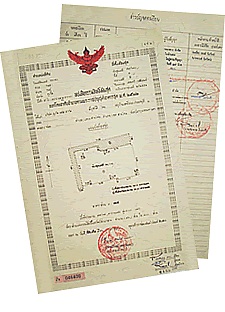 ห้องชุดแต่ละห้องในอาคารคอนโดมิเนียมจะมี โฉนดกรรมสิทธิ์ห้องชุด ออกโดย กรมที่ดิน โฉนดดังกล่าวเป็นเอกสารทางราชการ ที่แสดงความเป็นเจ้าของอย่างถูกต้องตามกฎหมาย